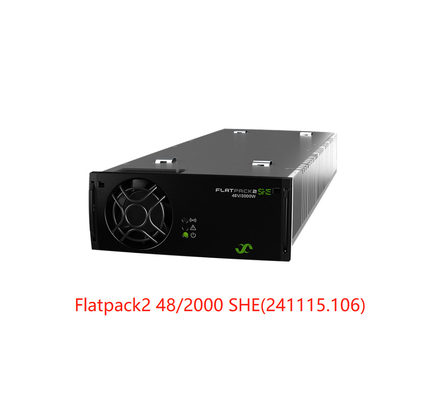
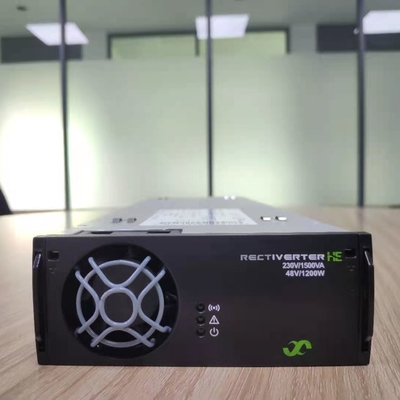
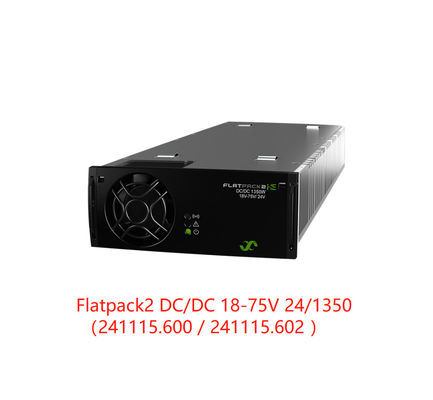
Kritik iletişim altyapısının işletilmesinde, ölçeklenebilirlik genellikle iş sürekliliği ile çelişir. 5G iş yükleri arttıkça, mevcut hassas ekipmanları kesintiye uğratmadan güç kapasitesini ikiye katlamak, herhangi bir DC-DC dönüştürücü sistemi için önemli bir performans ölçütüdür. Smartpack2 kontrol ünitesi tarafından desteklenen Flatpack2 sistemi, fiziksel donanım ve mantıksal kontrolün uyumlu bir tasarımı aracılığıyla gerçek "hizmet içi genişleme"yi başarır.Sıcak Takılabilir Mimari: Fiziksel Güvenliğin TemeliSıfır kesinti süreli genişlemenin temel ön koşulu Sıcak Takılabilirlik dir. Flatpack2 DC-DC modülleri, gelişmiş ani akım sınırlama devreleriyle tasarlanmıştır.
·
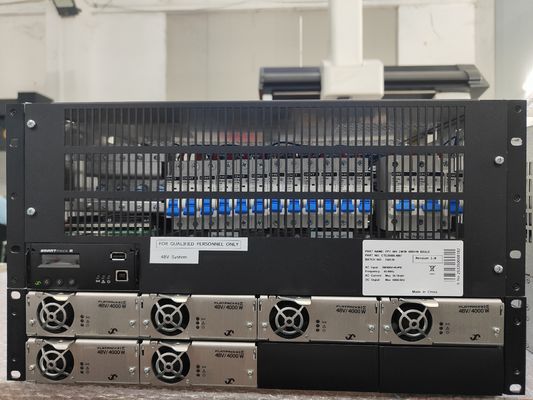
Parametrik Kanıt: Bir modül canlı bir arka panele takıldığı anda, dahili koruma devreleri ani akımları en aza indirerek ana DC veri yolu üzerindeki anlık voltaj düşüşlerini önler.·
: Her modül bir OR-ing FET entegre eder. Bu, yeni takılan bir modül arızalı olsa bile, çalışan paralel veri yolundan elektriksel olarak izole kalmasını ve ters akım dalgalanmalarını önlemesini sağlar.Smartpack2 Denetleyici: Akıllı Mantıksal Koordinasyon
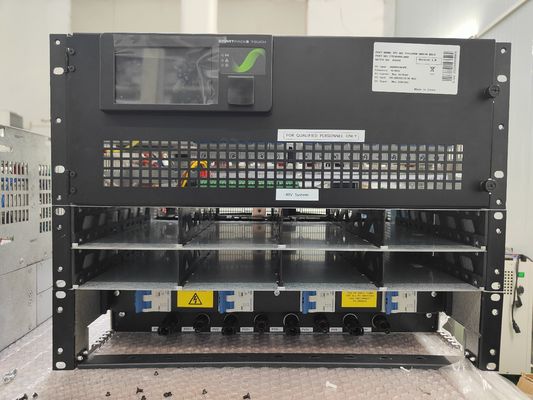
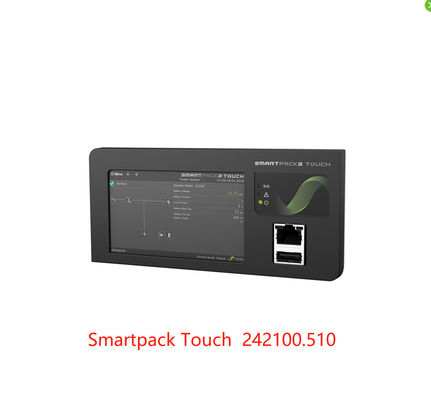
1. Yüksek Hassasiyetli Akım PaylaşımıBüyük bir 108 kW sistemde, Smartpack2 yeni eklenen modülün kontrolünü hemen ele alır. Spesifikasyonlara göre (Sayfa 2), sistem %10 ila %100 yük aralığında maksimum akımın ±%5'i dahilinde akım paylaşımını sürdürür. Bu hassas yük dengelemesi, bireysel modüllerin aşırı ısınmasını veya erken yaşlanmasını önleyerek sistemin MTBF'sini (Arızalar Arası Ortalama Süre) korur.2. Dinamik Parametre Senkronizasyonu ve Otomatik YapılandırmaSmartpack2, standart web arayüzleri veya SNMP/MODBUS protokolleri aracılığıyla uzaktan çalışmayı destekler. Takıldığında, denetleyici modülü otomatik olarak tanır ve voltaj ayarlarını senkronize eder (tipik olarak varsayılan 54.5 VDC'dir). Mühendislerin artık yerinde manuel potansiyometre ayarlamaları yapması gerekmez; dijital yönetim, tüm parametrelerin uyumlu olmasını sağlayarak manuel müdahale ile ilgili riskleri ortadan kaldırır.
36 kW'dan 108 kW'a Ölçeklendirme: Parametrik Seçim Kılavuzu
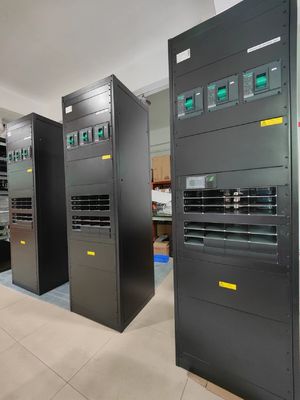
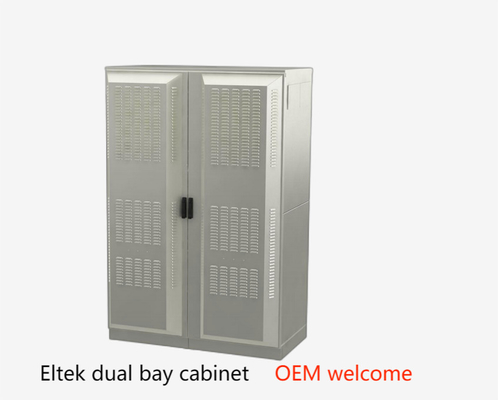
Modern tesis genişlemesi tipik olarak aşamalar halinde gerçekleşir. Flatpack2 DC-DC sistemi esnek kabinet yapılandırmaları sunar:·36 kW Sistem
: Kenar veri merkezleri veya küçük ölçekli siteler için idealdir.
·72 kW ve 108 kW Sistemler: Büyük ölçekli Telekom Santralleri için tasarlanmıştır.
Bu sistemler standart 600 x 2000 x 600 mm endüstriyel ayak izlerine uyar ve ek zemin alanı gerektirmeden yalnızca modül ekleyerek akım kapasitesinde (50 VDC'de 2160 A'ya kadar) bir artışa olanak tanır.
Koruma Mekanizmaları ve Alarm MantığıGenişleme sırasında, sistemin kendi kendini koruma yetenekleri hayati önem taşır. Smartpack2, aşağıdakiler dahil kapsamlı izleme sağlar:·
Giriş/Çıkış Koruması
: Giriş voltajı 260-400 VDC aralığından saptığında modüller otomatik olarak kapanır ve Küçük/Büyük alarmları tetikler.
Çevresel Gözetim: Çalışma sıcaklıklarının ( -20 ila +45 °C ) gerçek zamanlı izlenmesi, sistemin fan hızlarını ayarlamasına veya güç düşürme uygulamasına olanak tanır, böylece yükseltilmiş yüksek güçlü yapılandırmanın güvenli çalışma zarfı içinde kalmasını sağlar.
Telekom operatörlerinin "sıfır kesinti süresi" peşinde koşması için, hizmet içi genişleme bir özellikten daha fazlasıdır; elektriksel kararlılık ve kontrol mantığı için zorlu bir testtir. %98.2 lik zirve dönüşüm verimliliği ve Smartpack2 nin gelişmiş yönetimi ile Flatpack2 DC-DC sistemi, modern iletişim merkezleri için güvenilir, ölçeklenebilir bir güç kalbi sağlar.


 Mesajınız 20-3.000 karakter arasında olmalıdır!