Avrupa'nın "2030 Karbon Tarafsızlığı" hedefleri tarafından yönlendirilen,Veri merkezleri enerji yoğun tüketiciler olarak, elektrik dağıtımında paradigma değişimi yaşanıyor.Çok aşamalı dönüşüm kayıpları ve karmaşık redundansi ile karakterize edilen geleneksel AC-UPS sistemleri, giderek daha verimli ve yönlendirilmiş sistemlerle değiştirilmektedir.380VDC Yüksek Voltajlı DC dağıtımÇözümler.
Geleneksel AC-UPS'lerde verimlilik sıkıntıları
Standart bir AC-UPS zincirinde, güç çoklu dönüşüm aşamalarına maruz kalır: AC-DC (Düzeltme), DC-DC ve DC-AC (Dönüşüm). Her aşama enerjiyi atık ısı olarak dağıtır.
· Dönüşüm Kayıpları: Yüksek performanslı çift dönüşümlü AC-UPS sistemleri bile gerçek dünya koşullarında toplam verimliliği %96'nın üzerinde tutmak için mücadele ediyor.
· Bakım Karmaşıklığı: AC sistemleri faz senkronizasyonu ve harmonik filtreleme gerektirir, bu da doğal olarak tek bir arıza noktası (SPOF) riskini arttırır.
380VDC mimarisinin teknik üstünlüğü
380VDC'ye geçiş, güç zincirini doğrudan "DC Transmission to DC Conversion" akışına sadeleştirir.
1- Sontan sonuna verimlilik için geri dönüşü ortadan kaldırmak
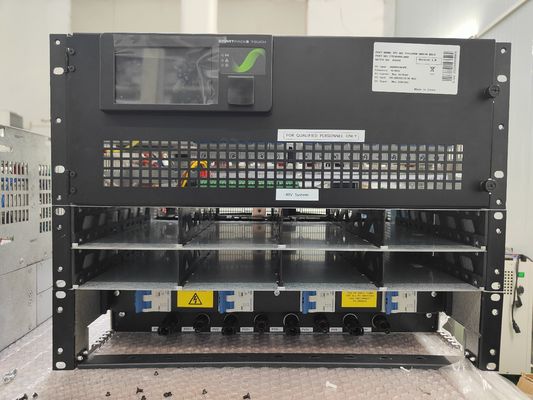
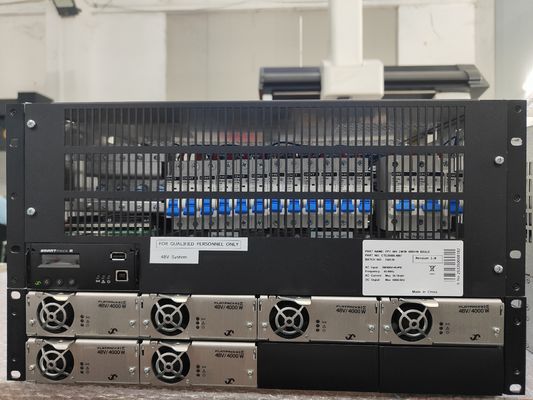
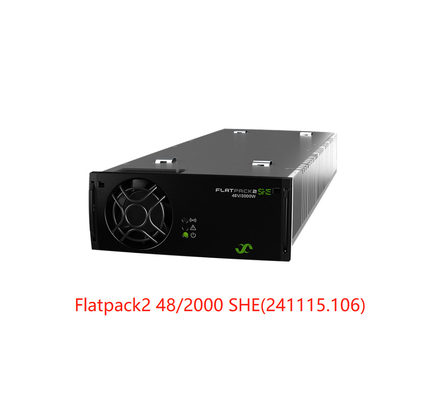
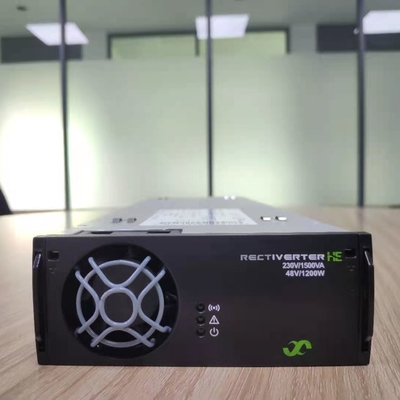
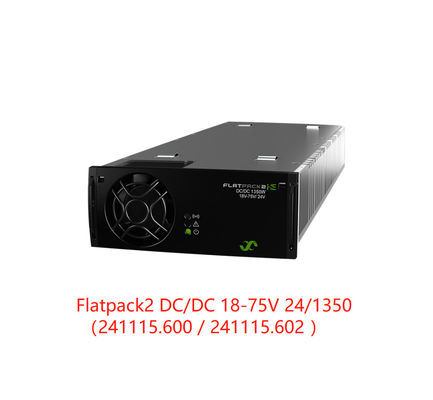
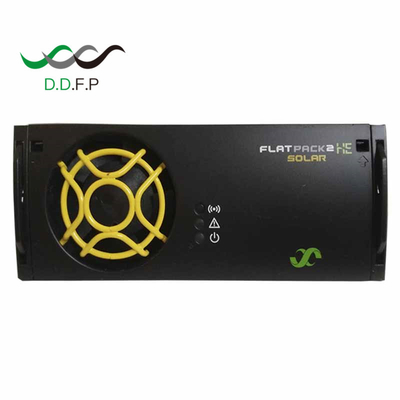
KullanarakFlatpack2 DCDC 380V 54V Sistemi, veri merkezleri 380VDC otobüs voltajını doğrudan sunucu raflarının gerektirdiği 48V/54V'ye dönüştürebilir.
· Parametrik Gerçek: Sistem, en yüksek dönüşüm verimliliğine sahiptir.98% 2Geleneksel UPS ile karşılaştırıldığında, bu mimari, tesisin Güç Kullanımı Etkinliğini (PUE) önemli ölçüde düşürerek en az bir güç dönüşüm aşamasını ortadan kaldırır.
2Aşırı güvenilirlik ve yalıtım dereceleri
Güvenlik, Avrupa veri merkezleri için en önemli seçim kriteridir.
· Galvanik izolasyon: Sistem4.2 kVDC giriş/çıkış yalıtımı, yüksek voltajlı DC tarafındaki dalgalanmaların hassas BT ekipmanlarına ulaşmamasını sağlar.
· Basitleştirilmiş ÇıkarmaFlatpack2, akım paylaşım hassasiyeti ile modüler redundansiyi destekler.±5%, karmaşık senkronizasyon mantığı olmadan N + 1 veya 2N yedeklemeyi sağlar.
Kritik Seçim Parametreleri
Bir AC'den DC'ye geçiş yaparken, mühendisler aşağıdaki teknik değerlere öncelik vermelidir:
Dinamik Yanıt ve Düzenleme Doğruluğu
Avrupa'daki yüksek yoğunluklu bilgisayar ortamları olağanüstü bir voltaj istikrarını gerektiriyor.±0,5% statik voltaj düzenlemesi.%10 ila %90 yük basamağı, dinamik düzenleme geri kazanma süresi<50msBu, çıkış voltaj dalgalanmalarının geleneksel AC geçiş geçişlerinde görülenlerden çok daha sıkı kalmasını sağlar.
Çevre Dayanıklılığı ve Ayak izi
Avrupa'nın şehir merkezlerinde veri merkezi emlakları çok pahalı.
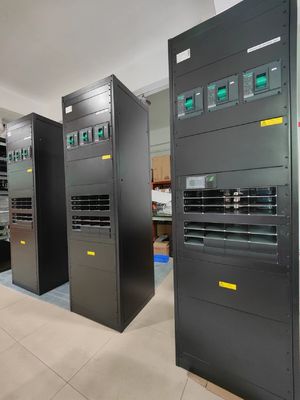
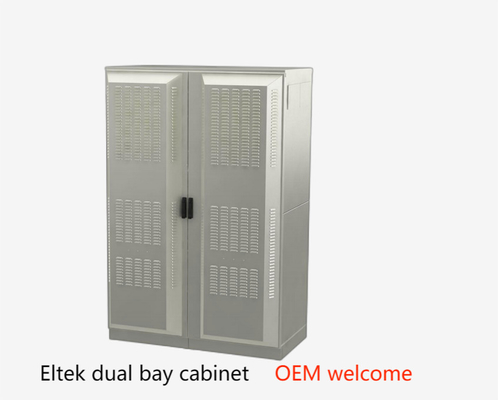
· Güç yoğunluğu: Tek bir endüstriyel dolap (600 x 2000 x 600 mm)108 kWkapasitesinin,2160 ABu, eşdeğer bir AC-UPS ve ilgili devre değiştirme cihazına kıyasla önemli ölçüde daha küçük bir ayak izi sunar.
· Geniş sıcaklık aralığı: Sistem, değerlerden düşmeden çalışır.-20°C - +45°C, agresif hassas soğutma bağımlılığını azaltır.
Dijital O&M Entegrasyonu
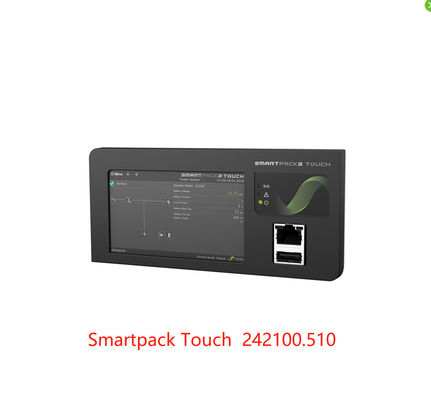
Bu yollaSmartpack2 denetleyici, DC sistemi, Veri Merkezi Altyapı Yönetimi (DCIM) platformlarına sorunsuz bir şekilde entegre olur.SNMP ve MODBUS protokolleri, operatörlerin modül sağlığını, toprak hatalarını ve yük dağılımını gerçek zamanlı olarak izlemelerini sağlar ve reaktif bakımdan öngörücü bakıma geçmeyi kolaylaştırır.
Teknik Sonuç
AC'den 380VDC'ye geçiş, sadece verimlilik yükseltmesinden daha fazlasıdır; mimari güvenilirliğe temel bir dönüştür.Yüksek maliyetli Avrupa enerji pazarında rekabetçi kalmak isteyen operatörler için, Flatpack2 DCDC sistemi kanıtlanmış, yüksek verimlilik ve ölçeklenebilir bir yol sunar.


 Mesajınız 20-3.000 karakter arasında olmalıdır!